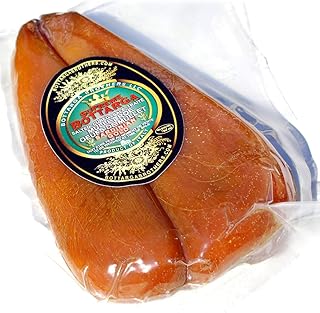
In the world of gourmet ingredients, few can match the intense, briny, and profoundly savory allure of Bottarga. Often referred to as "Sardinian Gold," this salted, cured fish roe is a cornerstone of Italian coastal cuisine, particularly from the islands of Sardinia and Sicily. Its unique umami flavor has captivated chefs and food enthusiasts globally, transforming simple dishes into extraordinary culinary experiences. But what exactly is this delicacy, and how can you incorporate it into your kitchen?
The Essence of Bottarga: A Centuries-Old Tradition
The art of making Bottarga dates back centuries, with roots deeply embedded in Mediterranean fishing communities. The process is one of patience and craftsmanship. Whole fish roe sacs, primarily from grey mullet (muggine) or bluefin tuna, are carefully extracted, salted, and then pressed and air-dried for several weeks. This ancient preservation method concentrates the flavors, resulting in a hard, waxy block that can be grated or thinly sliced. The most renowned Sardinian Bottarga comes from Cabras, a lagoon area in Sardinia, where the specific brine and climate contribute to its legendary status.
Sardinian Gold vs. Sicilian Style: Exploring the Varieties
While all Italian Bottarga shares a family resemblance, there are distinct regional differences. Sardinia is famous for its Grey Mullet Roe (Bottarga di Muggine), prized for its balanced, nutty, and less fishy flavor. Products like Bottarga Di Muggine from L'Oro di Cabras or the versatile Sardinian Grated Bottarga exemplify this style. For those seeking authenticity, the "Sardinian Gold" Authentic Sardinian Bottarga is a perfect entry point, available in various sizes to suit different needs.
Sicily, on the other hand, is renowned for its Bluefin Tuna Bottarga. This variety, like the Sicilian Grated Bluefin Tuna Bottarga, tends to have a stronger, more robust flavor and a darker color. Both are exceptional, and the choice often comes down to personal preference and the specific dish being prepared.
How to Use Bottarga: A Gourmet's Guide
The beauty of Bottarga lies in its versatility. It's not meant to be cooked but used as a finishing touch, where its flavor can shine. The most classic use is as a pasta topping. Simply grate it over a plate of spaghetti with olive oil, garlic, and chili (Spaghetti alla Bottarga). The heat of the pasta gently melts the roe, creating a creamy, salty sauce. For convenience, pre-grated options like Le Mareviglie Grated Bottarga are invaluable.
Beyond pasta, shave it over scrambled eggs, risotto, or grilled vegetables. Add a few gratings to butter for an incredible compound butter to top steak or fish. It can elevate simple crostini or be paired with avocado for a luxurious appetizer. For more detailed cooking tips, exploring a resource like the Ultimate Guide to Italy's Salted Fish Roe Delicacy can provide endless inspiration.
Selecting and Storing Your Bottarga
When selecting whole Mullet Roe, look for a firm, dry texture with a uniform color. Brands like Sanniti Bottarga or Smeralda Italian Whole Bottarga are excellent choices known for their quality. Once opened, wrap the whole piece tightly in parchment paper and then in foil, storing it in the refrigerator. Properly stored, it can last for months. Grated bottarga should be kept in an airtight container in the fridge and used more quickly to preserve its aroma.
Whether you opt for the iconic Sardinian Bottarga or the bold Sicilian Bottarga, incorporating this umami flavor bomb into your Mediterranean cuisine repertoire is a game-changer. It's more than just a seafood condiment; it's a testament to tradition and a passport to profound flavor. Start with a small, grated jar or a whole piece from a trusted source, and discover why this Italian delicacy is truly worth its weight in gold.